

Effective pain management after surgery is a partnership between you and your health provider. Learn more and advocate for yourself, your health, and your well-being.
 Pain is normal and expected.
 It usually lasts about 2-3 days.
 There are medication and non-medication strategies that can help control pain.
Eliminating discomfort after surgery is usually not practical or possible. Pain is a natural part of recovery – and a sign that your body is healing. Instead, the goal of pain management is for you to be able to do activities of daily living:
The best way to prepare for surgery and recovery is to talk to your surgeon and get answers to any questions and concerns you have. Here are some topics to cover:

If you are prescribed an opioid medication, it is important to know the potential dangers and side effects, and how to minimize risk to yourself and others.
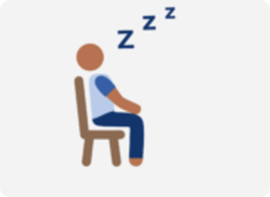 Sleepiness
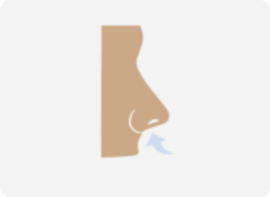 Slowed breathing
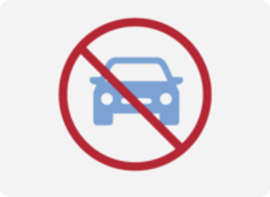 Impaired motor skills, thinking, or judgment. Teens should not drive while using an opioid.
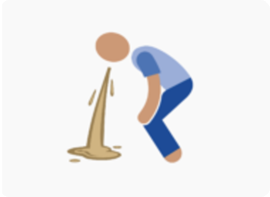 Nausea and/or vomiting
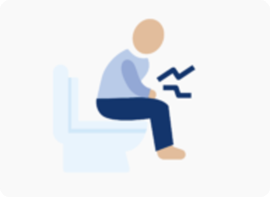 Constipation (difficulty having a bowel movement)
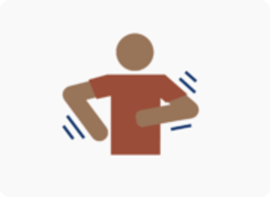 Itching
Anyone who uses an opioid, even for just a short time, is at risk for dependence, tolerance, misuse, addiction, and overdose. This risk may be higher in individuals with a history of:
When an opioid no longer has the same effect on your pain as it first did, which means you need a higher dose to control pain. For example, if you are taking an opioid which first worked well for pain, and then later it doesn’t work as well, it does not always mean the pain is worse. Instead, you may have become tolerant to the opioid.
When your body has started to rely on the opioid to function. This can happen even with using an opioid for a short time period, but the longer you take an opioid, the higher the risk. This is one reason why it is important to use an opioid for as short a time as possible. Suddenly stopping an opioid when a person is dependent causes symptoms of withdrawal, such as muscle aches, yawning, runny nose and tearing eyes, sweating, anxiety, difficulty sleeping, nausea/vomiting, and/or diarrhea.
When you take the opioid you were prescribed at a higher dose, more often, or for reasons other than which it was prescribed.
When you develop a brain disease known as Opioid Use Disorder (OUD). People with this condition seek and use opioids even though they are causing them harm.
When one takes a dose of medication that is too high for them. This affects breathing and can cause you to stop breathing. Knowing how to use a medication called naloxone to reverse an opioid overdose can be life-saving. Learn more about OPEN’s naloxone initiative here.
When anyone other than you gets and uses the medication that was prescribed to you. This can happen when you do not safely dispose of an opioid or leave it unattended. Diversion is dangerous because it can lead to misuse, overdose, and/or opioid use disorder in others. Sharing or selling an opioid is a felony in the state of Michigan.