Substance Use Disorder in Pregnancy
Opioid Use Disorder (OUD) in pregnancy is an increasingly urgent public health issue. In the U.S., the prevalence of OUD in pregnancy has doubled in the past decade.1
Overdose related to opioid and other substance use disorders (OUD/SUD) is the leading cause of pregnancy-associated mortality, accounting for nearly a third of pregnancy-associated deaths in Michigan.² Ongoing substance use in pregnancy is associated with adverse outcomes for both the birthing person and the baby. However, many of these outcomes can be mitigated through comprehensive, integrated care.³ Addressing the crisis requires a comprehensive approach that includes preventions, improved access to evidence-based treatment, harm reduction strategies, and addressing the underlying factors contributing to substance use.

Principles for Patient-Centered Care
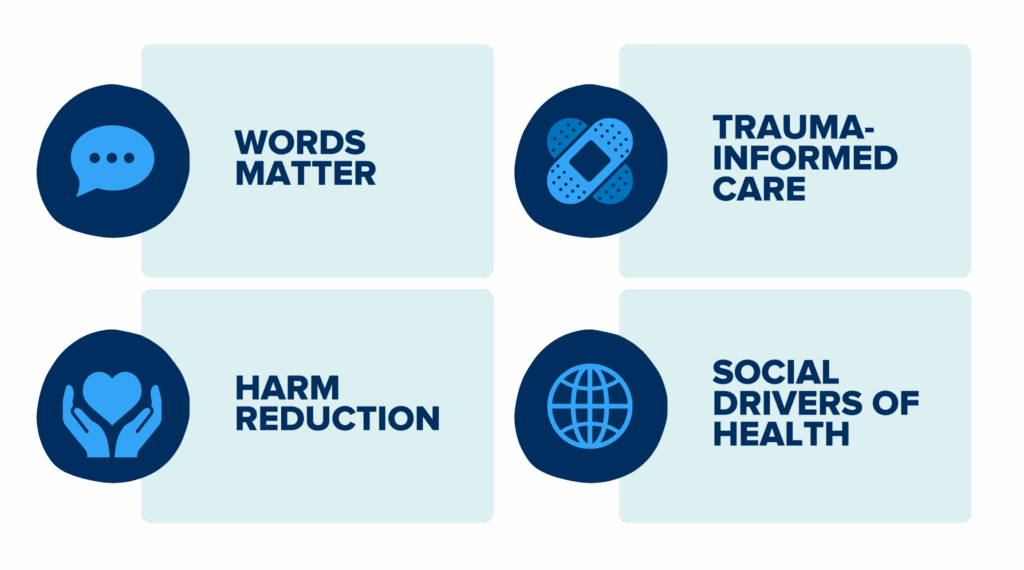
When providing care, these four principles honor each individual’s unique experience and needs, building trust and reducing the risk of re-traumatization. By applying these principles, you can deliver more compassionate, person-centered care that leads to improved health outcomes.
Words Matter
- The language we use with patients matters!
- Using person-centered, gender-neutral language can lead to more welcoming discussions and patient interactions
- Treatment is done WITH patients, not to them. This highlights shared decision making in tailoring perinatal care
- Recovery is a process, not a singular event.
- Acknowledge positive changes and small wins to help patients feel supported.
Learn More About Stigma Reduction
Trauma-Informed
- Trauma-informed care realizes that trauma is widespread: over 80% of patients with OUD/SUD report trauma.
- Recognize the signs and symptoms of trauma in each patient, noting they are highly specific to each person.
- Respond by fully integrating trauma-informed care into policy, procedure, and practice.
- Remember: patients may need time and relationship building before they are ready to share information.
Harm Reduction
- Harm reduction meets people where they are, offering practical solutions to save lives and support safer choices.
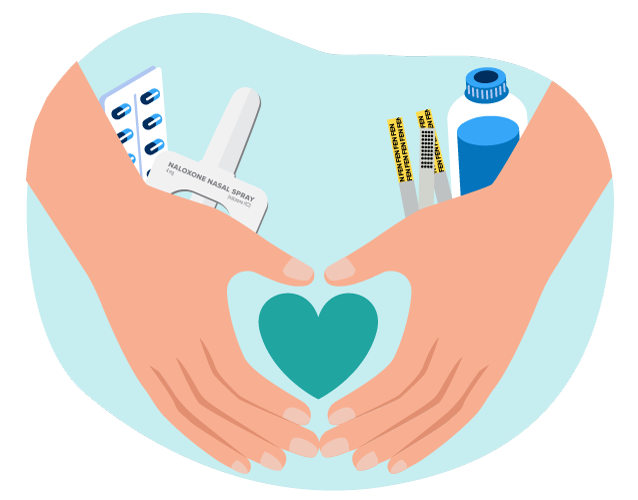 Harm reduction shifts the conversation from getting people to do the “right thing” to getting people to come back safely.
- Recovery is not all or nothing and harm reduction serves as a pillar of substance use treatment.
- Routine prenatal care, even in the context of continued substance use, offers benefit.
Learn More About Harm Reduction
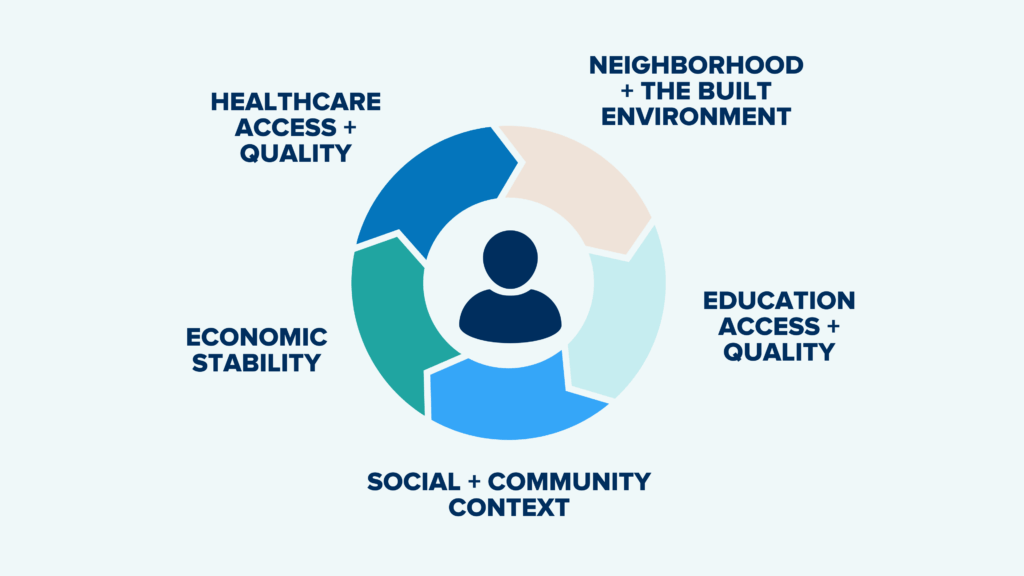
Social Drivers of Health
- 80% of health outcomes are driven by non-medical factors, meaning what happens outside of clinical spaces has a greater effect than clinical care.
- Assessing for unmet needs allows care plans to adjust to unmet needs and leads to better health outcomes.
External Resources
Pregnancy and Substance Use: A Harm Reduction Toolkit
This is a comprehensive harm reduction toolkit for supporting individuals who use substances during pregnancy, offering practical resources, guidance, and evidence-based strategies to promote health and dignity for pregnant people and their families.
Region 9 Trauma-Informed ToolkitsThis site offers multiple trauma-informed toolkits developed by the Region 9 Perinatal Quality Collaborative. Especially recommended are the Right Care Planning and Universal Screening toolkits.
Social Needs Screening Tool Comparison Table
This page offers a comparative overview of various social needs screening tools used in healthcare settings, enabling providers to select and implement the most appropriate instruments for identifying patients’ social and economic challenges.
The Initial Visit + First Trimester

Birthing people with OUD/SUD experience high rates of bias and stigma in medical care settings. Fear is the number one reason why this population doesn’t seek care.⁴,⁵ The initial visit is crucial for relationship building and getting patients to want to come back. Treating patients without judgement and celebrating their efforts to start care is crucial in creating a stigma-free environment.
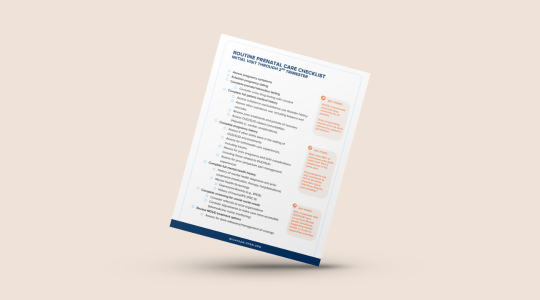
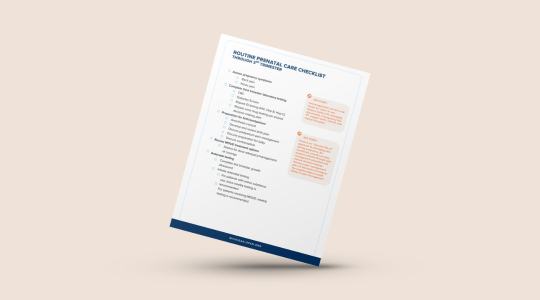
Care Checklist
Key Points:
- ACOG recommends universal drug screening (i.e., use of standardized verbal questionnaires) for all patients. Urine drug testing should never be done without the patient’s permission.
- More than 90% of individuals with OUD used more than 2 substances in the same year. Polysubstance use may contribute to risk of overdose, traumatic injury, infectious disease, and mortality.
- 80% of patients with OUD/SUD have concurrent Mental Health Conditions. Supporting mental health is crucial to supporting recovery!
Counseling: Risks of OUD in Pregnancy
- Ongoing substance use in pregnancy is associated with adverse effects for both the birthing person and the neonate, almost all of which can be mitigated through routine prenatal care and effective treatment for opioid and substance use disorder.
- Each substance has its own risks. Some risks include: fetal growth restriction, preterm labor, stillbirth, preeclampsia, and maternal overdose or death, structural anomalies (stimulants and alcohol), and abruption (cocaine)
- Medication for Opioid Use Disorder (MOUD) is the preferred treatment option during pregnancy, significantly reducing the risk of return to use and improving adherence to prenatal care. OUD/SUD is a chronic medical condition, and MOUD is an effective treatment option to support long-term recovery and maternal health.
- It is important to discuss with the patient that their medication needs may increase during pregnancy due to changes in the patient’s metabolism.
- Dosing should be adjusted based on the patient’s symptoms, as the dose of MOUD does not correlate with the risk of Neonatal Opioid Withdrawal Syndrome (NOWS).
Learn More About Substance Use Disorder
Medications for Opioid Use Disorder (MOUD) Options
The best medication is the one that works for the patient. The following chart provides a side-by-side overview of medications for opioid use disorder—methadone, buprenorphine, and naltrexone—highlighting key differences in medication type, available forms, associated risks, and important considerations for pregnancy and birth.
| Methadone | Buprenorphine | Naltrexone |
| Medication | Agonist | Partial agonist
(displaces opioids) | Antagonist
(blocks the effects of opioids) |
| Forms | Tablet, liquid | Strip, film, tablet, injectables
Combined buprenorphine and naloxone is preferred | Tablet, injectable |
| Risks | QT prolongation, drug interactions, overdose | Decreased overdose risk, precipitated withdrawal, dental caries | Precipitated withdrawal |
| Labor and Delivery Considerations | Continue; consider split dosing | Continue; consider split dosing | Discontinue 72 hours before labor/birth admission |
| Pregnancy Consideration | NOWS rates 60-80% | NOWS rates 20-40% | Less pregnancy specific data. NOWS rates 0% in one study |
Medication Management
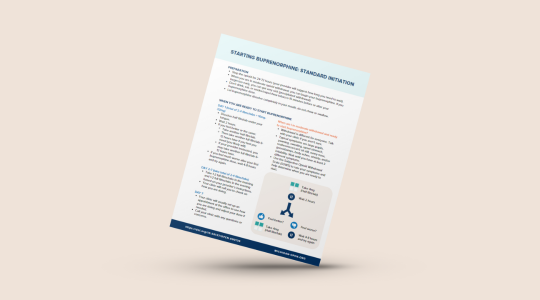
Medication management during pregnancy requires a flexible, patient-centered approach that supports individuals by accounting for physiologic changes, addressing cravings or withdrawal, prioritizing harm reduction, and engaging patients in shared decision-making to promote safety and stability.
Learn More About MOUD
Patient in recovery with or without abstinence
- Use shared decision making for medication decisions
- Review desire for additional supports in pregnancy, including medication
- Discuss naloxone and provide prescription
Patient in recovery receiving MOUD
- Use shared decision making for medication decisions
- Review physiologic changes in pregnancy
- Discuss potential dose increase to manage cravings or withdrawal symptoms
- Discuss safe storage of medication
Patient in active use
- Use shared decision making
- Discuss options for management
- Discuss harm reduction techniques
External Resources
ACOG Guidelines for UDSRoutine urine drug screening is controversial, and ACOG advises it should only occur with patient consent and that a positive result should not impact care, public program coverage, or decisions about family separation.
SAMHSA: (SBIRT)Learn more about the purpose of the SBIRT program Screening, Brief Intervention, and Referral to Treatment through the lens of the Substance Abuse and Mental Health Services Administration.
Third Trimester
 Providing comprehensive, person-centered prenatal care is essential for supporting pregnant patients who use substances or are in recovery. This includes proactively managing common pregnancy discomforts, completing recommended third trimester evaluations, and preparing for individualized peripartum pain management. Because unmanaged pain can increase the risk of return to use, prenatal care should emphasize early planning, shared decision making, and access to both pharmacologic and non-pharmacologic options. Through thoughtful counseling, development of a personalized birth and postpartum plan, and education about newborn care—including Neonatal Opioid Withdrawal Syndrome—clinicians can help ensure safer, more informed, and more empowered experiences throughout pregnancy, labor, and the postpartum period.
Care Checklist
Key Points:
- Unmanaged pain can be a risk factor for return to use. Explore options for managing discomforts of pregnancy like PT, support belts, Tylenol, and topical therapies.
- There is no “one size fits all’ approach to managing pain during pregnancy. An anesthesia consult can help prepare patients through pain management education and shared decision-making. Having a pain management plan on file before arriving at the hospital helps to avoid delays in pain management.
Counseling: Developing a Birth Plan + Managing Pain Postpartum

Develop a comprehensive birth plan that includes clear strategies for managing pain by first reviewing expectations for pain management during labor and the postpartum period.
This planning should also incorporate a discussion of birth and postpartum preferences and available options, ensuring the plan reflects the patient’s values and goals. As part of this process, consider who will provide support during labor and after delivery, including trusted support people and, when available, peer recovery coaches or doulas. It is also important to review urine drug screening (UDS) considerations and labor and delivery policies in advance so expectations are clear and transparent.
Pain Management Strategies
Consider these non-pharmacologic and pharmacologic approaches to managing pain during and after birth.
| Non-Pharmacologic | Pharmacologic |
| Labor, Delivery, Birth | - Movement and positions
- Labor support devices (peanut ball, labor chair)
- Heat and/or ice
- Mindfulness
- Labor support people (e.g., doula, support person)
- Hydrotherapy | - Nitrous oxide
- IV opioid (should discuss patient’s comfort)
- Epidural |
| Postpartum | - Heat and/or ice
- Abdominal binder
- Mindfulness
- Support person (e.g., doula, support person)
- Cognitive Behavioral Therapy | - Non-opioid medications (ibuprofen and acetaminophen)
- Topical analgesia (lidocaine patches/spray)
- Prolonged epidural
- Regional pain blocks
- When necessary and with consent, opioids can be prescribed |
Counseling: Preparation for Baby
- Counsel about Neonatal Opioid Withdrawal Syndrome and the Eat Sleep Console program.
- NOWS is a group of signs a baby may display after being exposed to opioids during pregnancy. The Eat-Sleep-Console model focuses on non-pharmacologic care as the first step in caring for neonates withdrawal symptoms. See Resources below for clinical ESC materials.
- Addiction requires a pattern of behaviors related to substance use, which babies can’t do. Instead babies are experiencing withdrawal. It is important to use non-stigmatizing language when discussing NOWS.
- Review infant feeding preferences including the safety of breastfeeding in the absence of return to use
- Review CPS involvement and expectations

Ongoing Care
 Ongoing prenatal care should include compassionate, trauma-informed screening and mental health support, recognizing that substance use, mental health conditions, and past trauma are often interconnected and require thoughtful, patient-centered approaches throughout pregnancy. Receiving information from a patient is a privilege. If a patient is not comfortable discussing substance use, respect their readiness and offer to revisit the questions at a later time.
Screening
Verbal Drug Screening
Verbal drug screening includes a series of standardized questions (e.g. NIDA quick screen) asked to all patients about substance use. Universal screening reduces inequities in urine drug testing. Begin by explaining the rationale: substance use can impact health and wellbeing, and screening enables you to connect patients with appropriate support and resources. Normalize the screening process by integrating screenings into routine workflows and informing patients these questions are asked to everyone. Discuss implications of a positive screen with patients before asking the questions. These strategies can help build trust and transparency.
Urine Drug Testing
Urine drug testing is a method used to detect or confirm recent substance use. Always obtain informed consent before testing. Clearly explain the purpose of the test and discuss the possible implications of a positive result as part of the consent process. When used properly, drug testing can be a helpful tool to confirm engagement with MOUD and to support patients in their recovery journey. Providers may consider a written informed consent process.
Positive Screen Results
If a patient screens positive, provide Brief Intervention and Referral to Treatments (SBIRT).
Screening: Identify Substance Use with a validated questionnaire
Brief Intervention:
-
- Ask permission to share information about identified substance use.
- Share risk of use for general health and pregnancy.
- Assess readiness for behavior change and provide support for next steps.
Referral to Treatment: Ask permission to connect patient with available resources
Learn More About Screening
Mental Health
Supporting mental health during pregnancy requires a comprehensive, team-based approach that combines routine screening, trauma-informed and person-centered care, collaborative partnerships, and evidence-based interventions to promote safety, stability, and overall wellbeing.
Routine Mental Health Screening
Use validated screening tools like PHQ-9, GAD-7, Edinburgh Postnatal Depression Scale (EPDS), and PCL-5 for depression, anxiety, and trauma.
Trauma-Informed, Person-Centered Care
This approach amplifies each patient’s strengths while creating safety and trust in each clinical interaction. Focus on collaborative decision making.
Collaborative Care Models
With permission, collaborate with psychiatrists, behavioral health consultants, or social workers using warm hand-offs for mental health referrals. If possible, deliver services in co-located spaces to promote collaboration and reduce patient burden.
Crisis Planning and Safety
Use shared-decision making when developing a Plan of Safe Care with patients,
Social and Peer Support
Connect patients with peer support groups, parenting programs, and community resources when desired.
Brief Interventions
Techniques like motivational interviewing during visits can support behavioral change and engagement.
Evidence-Based Psychotherapy
When appropriate, refer patients to or provide access to therapies such as cognitive-behavioral therapy (CBT) or dialectical behavior therapy (DBT).
Medication Management
Consider pharmacotherapy when indicated. Some medications may help manage other pregnancy specific symptoms like sleep, nausea, and appetite. See the Pharmacotherapy Cards for additional information on medications safe to use during pregnancy.
Trauma Affects Mental Health
More than 80% of patients who have a substance use disorder have a lifetime history of trauma and >80% have concurrent mental health diagnoses. To properly manage OUD/SUD, it is critical to address and treat the co-occurring mental health conditions. There are many evidence-based strategies for managing and treating mental health.
Trauma changes trust and world view
Trauma has long term impacts on physical and mental health
The impact of trauma can have multigenerational effects
Pain Management in Postpartum
Pain management can be more complex for birthing people with OUD/SUD. When discussing postpartum pain management with patients, it’s essential to set realistic expectations and emphasize individualized, safe care. Reassure patients that effective pain management strategies are available and discuss the role of insufficient pain management in return to substance use. Discuss that some discomfort is expected, and that they should reach out with any concerns.
Key Points:
- Protocols for patients with complex pain should start with standardized elements, but allow for tailoring to individual needs using shared decision making.
- Patients receiving MOUD may require additional opioid agonist medication to overcome the blockage at the opioid receptor.
- Do not use partial agonist (e.g., nalbuphine, butorphanol) or antagonists (e.g., naloxone) for patients receiving MOUD with methadone or buprenorphine.
- Buprenorphine has an analgesic ceiling effect beyond 24-32 mg. Doses higher than this do not provide additional pain relief.
Discuss Expectations During Pregnancy
- Ideally, pain management conversations begin BEFORE the labor and delivery admission.
- Include discussions of expected pain, options for pain management, risks specific to individuals with OUD, and an understanding of patients preferences for pain management.
- An interprofessional approach including the obstetric, anesthesia, addiction, and psychiatry teams where available is ideal.
Start With Targeted Anesthesia
- Postpartum pain plans should start with neuraxial and regional anesthesia as appropriate during labor and/or delivery.
- Postpartum, clinicians should start with optimizing non-opioid options, including scheduled acetaminophen and NSAIDS, along with non-pharmacologic approaches.
Insufficiently Managed Pain is a Risk Factor
- If pain is not managed with these approaches, clinicians can discuss opioid medications with the patient. It is important to emphasize that insufficiently managed pain is a risk factor for return to substance use.
- Patients receiving MOUD may require higher doses of opioid medication or opioids with higher affinity for the opioid receptor (e.g., hydromorphone).
- If patients require an opioid prescription at discharge, it is important to discuss safe medication storage and naloxone.
- Consider short interval follow-up through in-person or virtual visits (within 3-5 days) to adjust pain management plans.
Work Together in a Safe Environment
- It is crucial to create a safe space for patients to share their recovery goals and any concerns about medications.
- Collaborate with the patient to develop a pain management plan that aligns with their needs and supports their recovery, adjusting the approach as needed.
- Encourage patients to communicate if their pain is not well-controlled or if issues arise so that the care plan can be tailored appropriately.

Setting Expectations
Preparation
- Early education and counseling help patients make informed decision
- Counseling topics include anticipated pain, pain management options, short term vs long term opioid therapy, risks of poorly controlled pain and return to use postpartum, naloxone.
- Discuss a patient’s preferences around the receipt of an opioid medication if needed.
Receiving MOUD
- Postpartum pain may be difficult to manage with MOUD.
- Maintain the dose that works and consider split dosing during episodes of acute pain
- Consider how MOUD affects other medications used in pain management
Non-Opioid Medication
- Scheduled non-opioid medications (e.g., NSAIDs, and acetaminophen) should be administered for patients without contraindications
- Toradol can be used postpartum throughout the admission
Non-Pharmacologic
- Ice, heat and abdominal binders can be helpful adjuncts.
- CBT can help prepare patients for postpartum pain management
- Doula support can help patients cope with postpartum pain
- Topical sprays, creams or patches may offer pain relief
Opioid Medications
- If pain management is insufficient with other strategies, consider an opioid medication.
- Best practices include: confirm existing opioid prescriptions, prioritize returning to original regimen, short time (2-3 days) intervals, discuss safe storage and harm reduction
Key Resources
Resources
Programs
Publications
Events
References
- Hirai AH, Ko JY, Owens PL, Stocks C, Patrick SW. Neonatal Abstinence Syndrome and Maternal Opioid-Related Diagnoses in the US, 2010-2017. JAMA. 2021;325(2):146-55. PubMed PMID: 33433576; PMCID: PMC7804920.
- Michigan Department of Health & Human Services. Michigan Maternal Mortality Surveillance (MMMS) Program: Maternal Deaths in Michigan, 2016-2020 Data Update. Available from: https://www.michigan.gov/mdhhs/-/media/Project/Websites/mdhhs/MCH-Epidemiology/MMMS-Data-Update-2016-2020-2724-FINAL.pdf?rev=62e909e22efa4e41ab0cf894e714fc93&hash=FEDE7E7C45641252406175D0730A6CED
- American College of Obstetricians and Gynecologists’ Committee on Obstetric Practice, Mascola M, Borders A, Terplan M. Opioid Use and Opioid Use Disorder in Pregnancy: ACOG Committee Opinion, Number 711. Obstet Gynecol 2017; 130:e81-94.
- Johnson E. Models of care for opioid dependent pregnant women. Semin Perinatol. 2019;43(3):132-40. PubMed PMID: 30981471.
- Frankeberger J, Jarlenski M, Krans EE, Coulter RWS, Mair C. Opioid Use Disorder and Overdose in the First Year Postpartum: A Rapid Scoping Review and Implications for Future Research. Matern Child Health J. 2023;27(7):1140-55. PubMed PMID: 36840785; PMCID: PMC10365595.
- Compton WM, Valentino RJ, DuPont RL. Polysubstance use in the U.S. opioid crisis. Mol Psychiatry. 2021 Jan;26(1):41-50. doi: 10.1038/s41380-020-00949-3. Epub 2020 Nov 13. PMID: 33188253; PMCID: PMC7815508.